A 4.9-metre unmanned vessel, already on the water.

Baltic Aquadrones designs and builds unmanned surface vessels in Latvia. Our first boat, BA-01, has been running trials since June 2026. Its successor is on the drawing board.

BA-01 bow camera, evening speed trials, Latvia, 2026.

Built, not rendered.

Every photograph on this site is of our own hardware: the hull, the test rig, the printer, the boat under way. We would rather show a prototype with a trailer under it than a concept with nothing behind it.

Specifications, trial data and demonstrations are available to qualified defence, government, coast-guard and industrial partners under NDA.
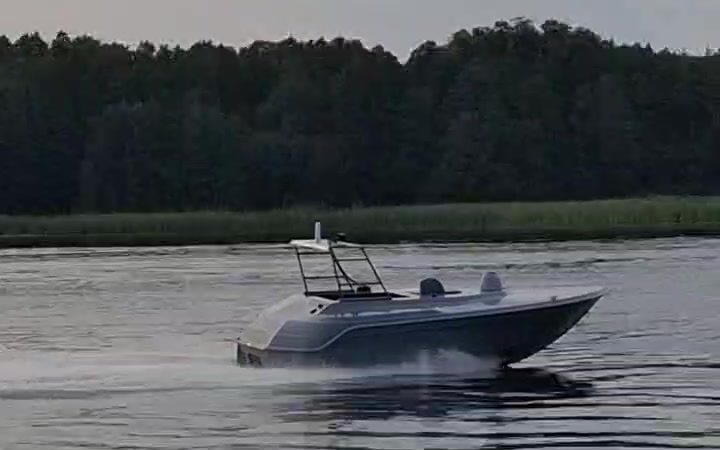
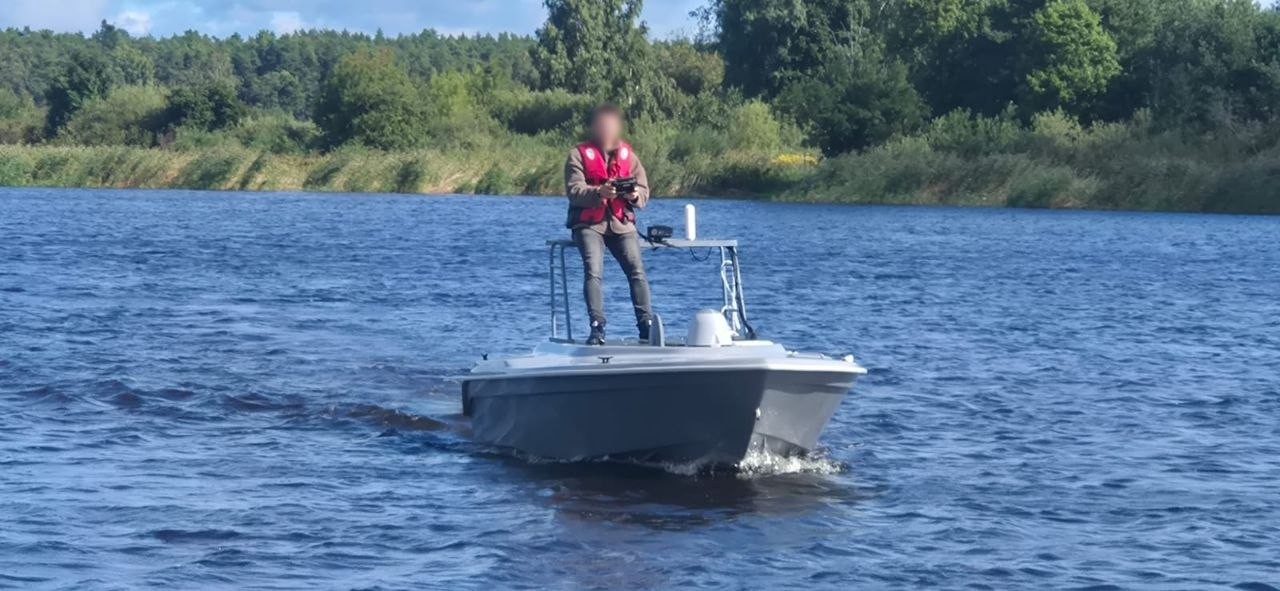
BA-01 planing across a lake at speed, spray behind the hull, tree line on the far shore
BA-01 under remote control during a speed run. Still from the chase-boat video, 2026.

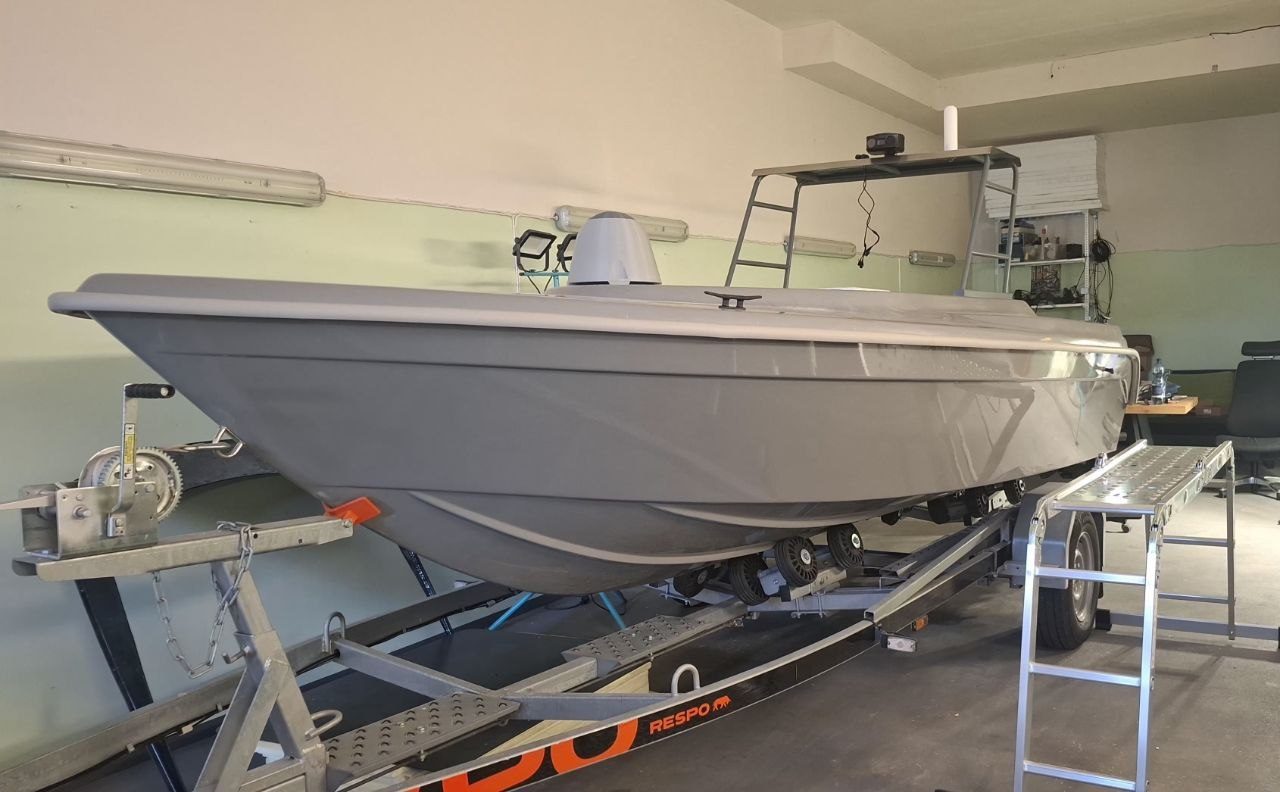
BA-01Bad Boy

On-water trials since June 2026

Our first vessel. A proven 4.9 m fibreglass hull, a custom-designed upper deck, and a 160 hp waterjet. It is remotely piloted over Starlink and carries a stabilised maritime camera with night vision. BA-01 is the boat we learn on, and the one we test every new system against.

The hull is a certified category-C production hull chosen for predictable behaviour and easy repair. The deck, steering gear and control architecture are ours. The autonomy stack is being developed on this boat now: computer vision and obstacle ranging are operational; waypoint navigation and the onboard mission computer come next.

Figures marked "target" are design targets still under validation; everything else has been measured or installed.
Length overall4.90 m
Beam2.32 m
Draft0.40 m
Freeboard0.55 m
HullFibreglass, category C base hull
Propulsion160 hp waterjet (Kawasaki marine engine)
Payload400 kg
ControlRemote over Starlink, RC backup
PerceptionSEA.AI stabilised camera, night vision
Maximum speed87 km/h, measured on trials
Range1,000 km

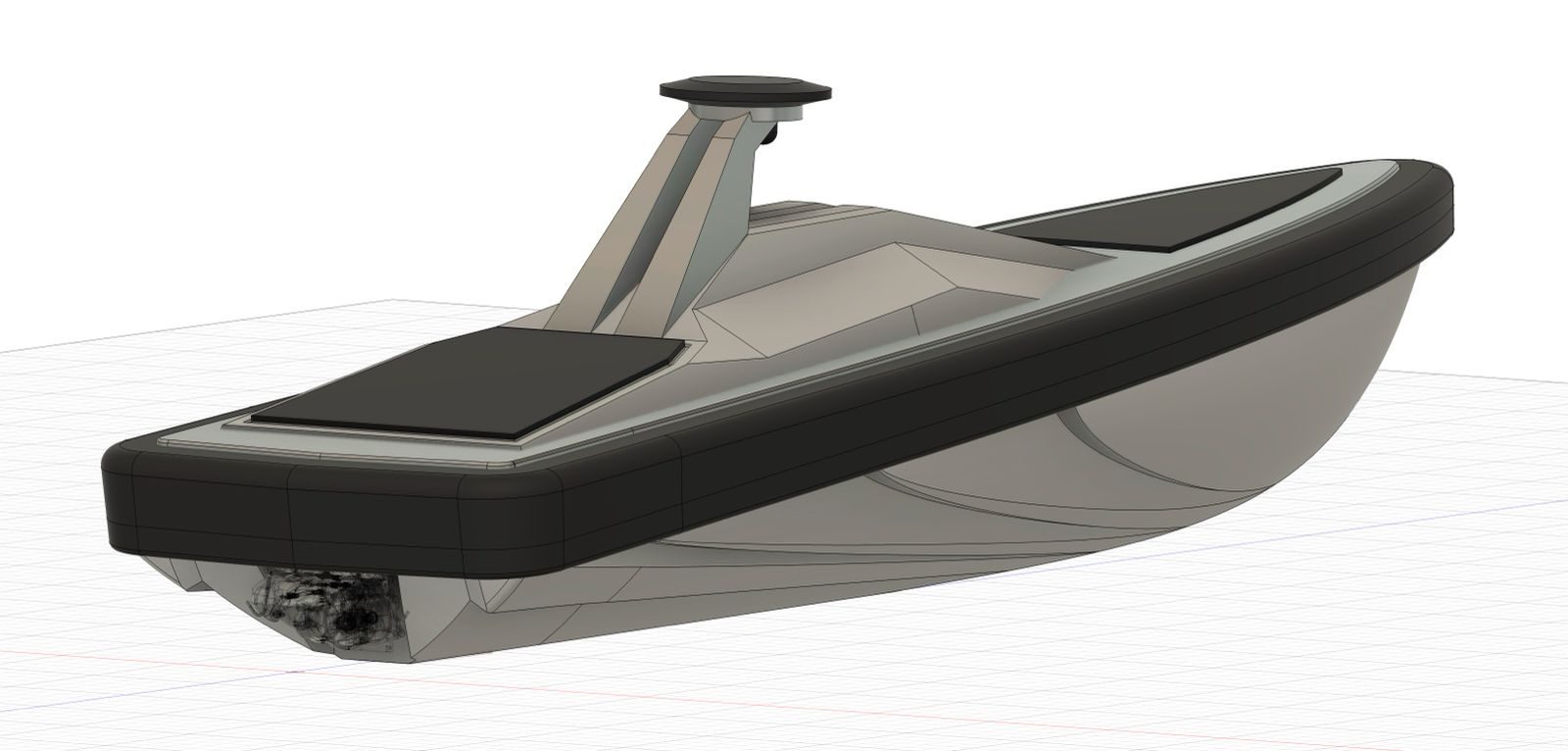
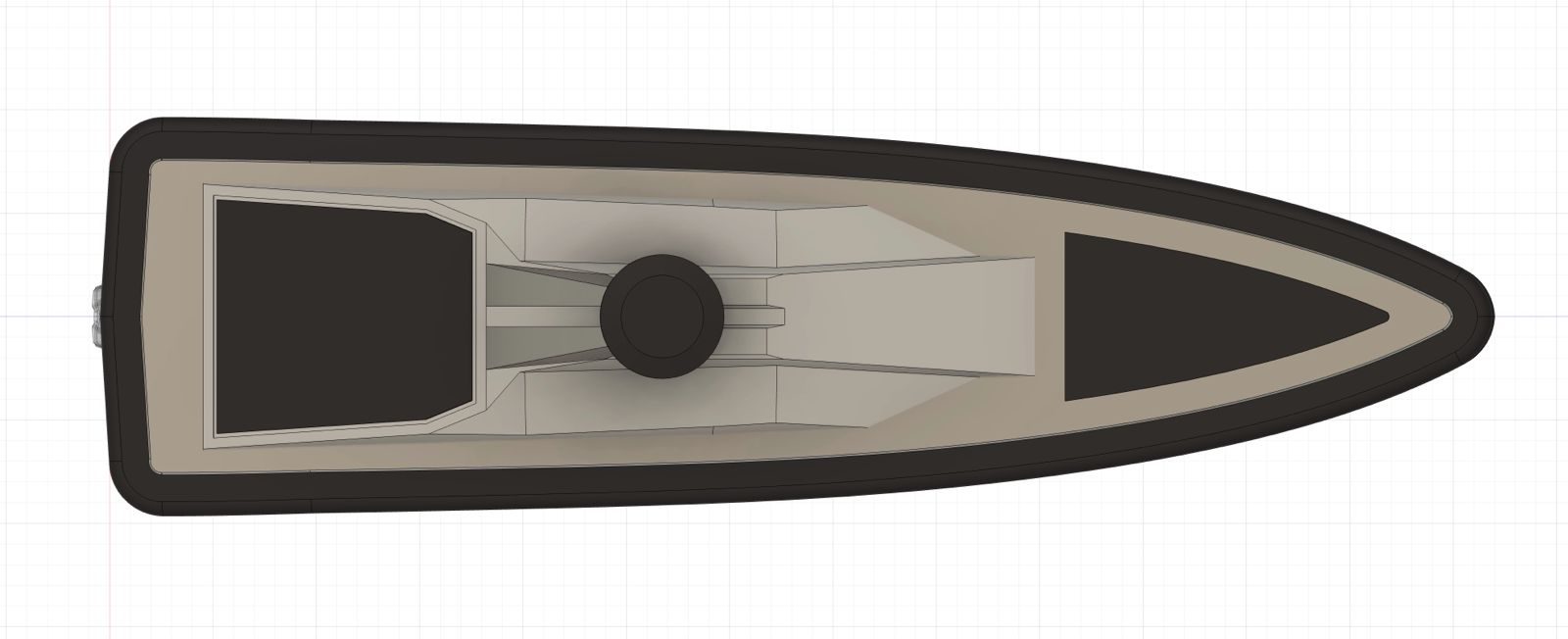
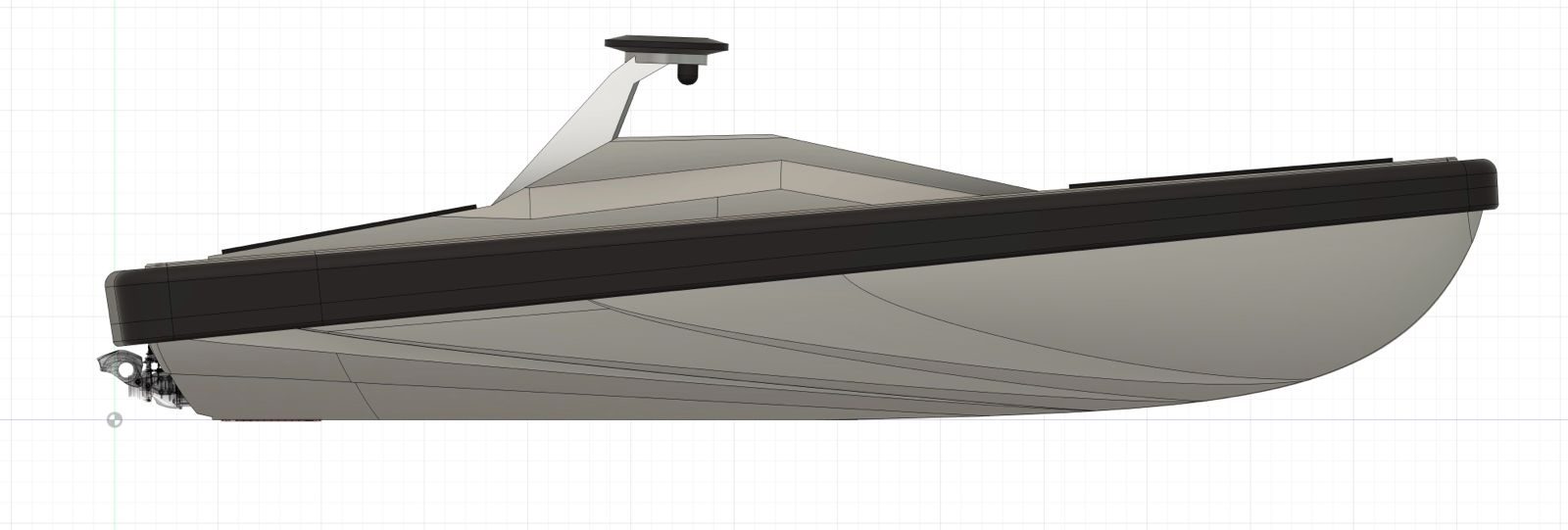
BA-02BADBOY II

In design, 2026

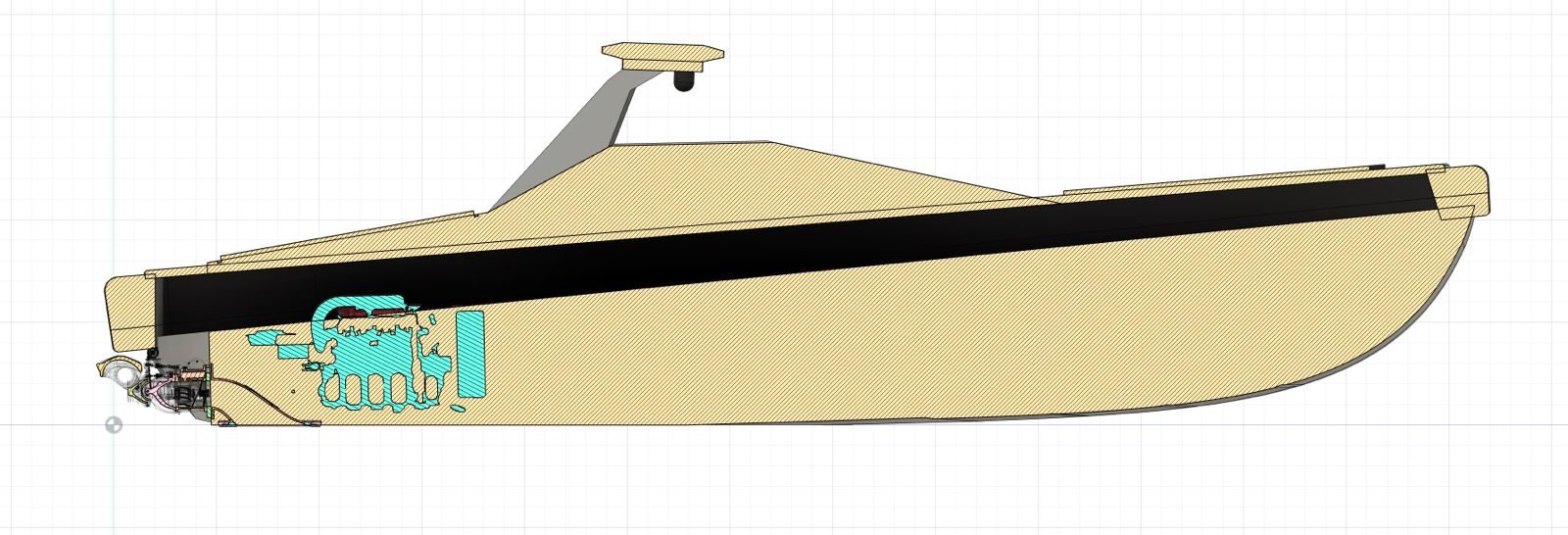
The second vessel is designed from the keel up for what BA-01 taught us: a low, enclosed deck, a sensor mast, and open payload bays fore and aft that accept mission modules without cutting the boat.

BA-02 is planned for large-format additive manufacturing, so hull sections can be printed and revised in days rather than tooled in months. Propulsion and the full autonomy stack carry over from BA-01. Dimensions and performance are shared with qualified partners under NDA.

Design-stage figures are intentionally omitted until they are validated.
ConfigurationEnclosed deck, sensor mast, two payload bays
Hull productionLarge-format 3D printing, modular sections
PropulsionWaterjet, inboard marine engine
AutonomyShared stack with BA-01
Payload integrationStandardised bays and mounts
PerformanceUnder NDA

Autonomy is being built here, not bought in.

Most unmanned vessels run on someone else's autopilot. Ours is written in-house, by the same engineers who built the hull and the steering gear, and tested on BA-01 on the water, not in a simulator. One codebase covers everything from a single boat holding position to a fleet operating with no link to shore. That is what lets us change it in days when a customer, or an adversary, changes the problem.

In development on BA-01

Computer vision and night vision are operational. The capabilities below are being integrated and will be demonstrated to qualified partners as each one passes on-water trials.

Mesh network for swarm control
Vessels talk to each other, not only to the operator. One operator tasks a group; the boats share position, sensor picture and mission state over an encrypted peer-to-peer mesh. If the shore link drops, the swarm keeps coordinating.
Autonomous patrol
Define an area or a route once; the vessel patrols it on its own, adjusts for weather and traffic, and reports what it sees. Patrols can run for hours without an operator touching the controls.
Return to base
On loss of link, low fuel or a fault, the vessel navigates home by itself using onboard positioning, including when GNSS is degraded. Return is a default behaviour, not a feature the operator has to trigger.
Obstacle avoidance
Stabilised cameras and onboard vision detect vessels, buoys, debris and shoreline in daylight and at night. The boat re-routes around them in real time and resumes its task.
Attack avoidance
The vessel recognises a direct approach or an engagement attempt and evades with the speed and agility of an 87 km/h planing hull: randomised evasive manoeuvres, not a straight-line retreat. Designed to keep an expensive asset and its payload alive.
AI autonomy
Perception, navigation and mission logic run on a ruggedised onboard computer with no dependency on a cloud connection. The goal is a vessel that can complete its mission under full jamming, decide for itself when to abort, and bring itself home.

Everything above is developed and owned by Baltic Aquadrones. No licensed autopilot, no third-party cloud, no export restriction we don't control.

Small team, own workshop, every system tested on the bench before it goes on the boat.

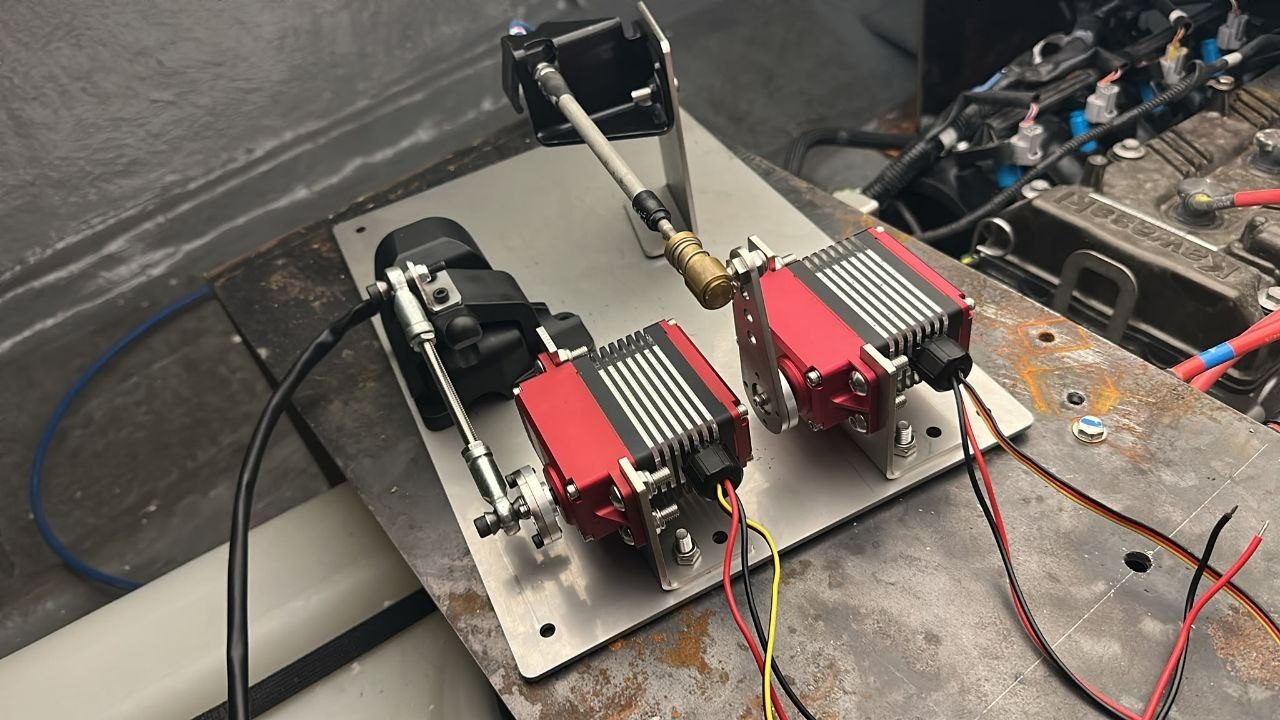
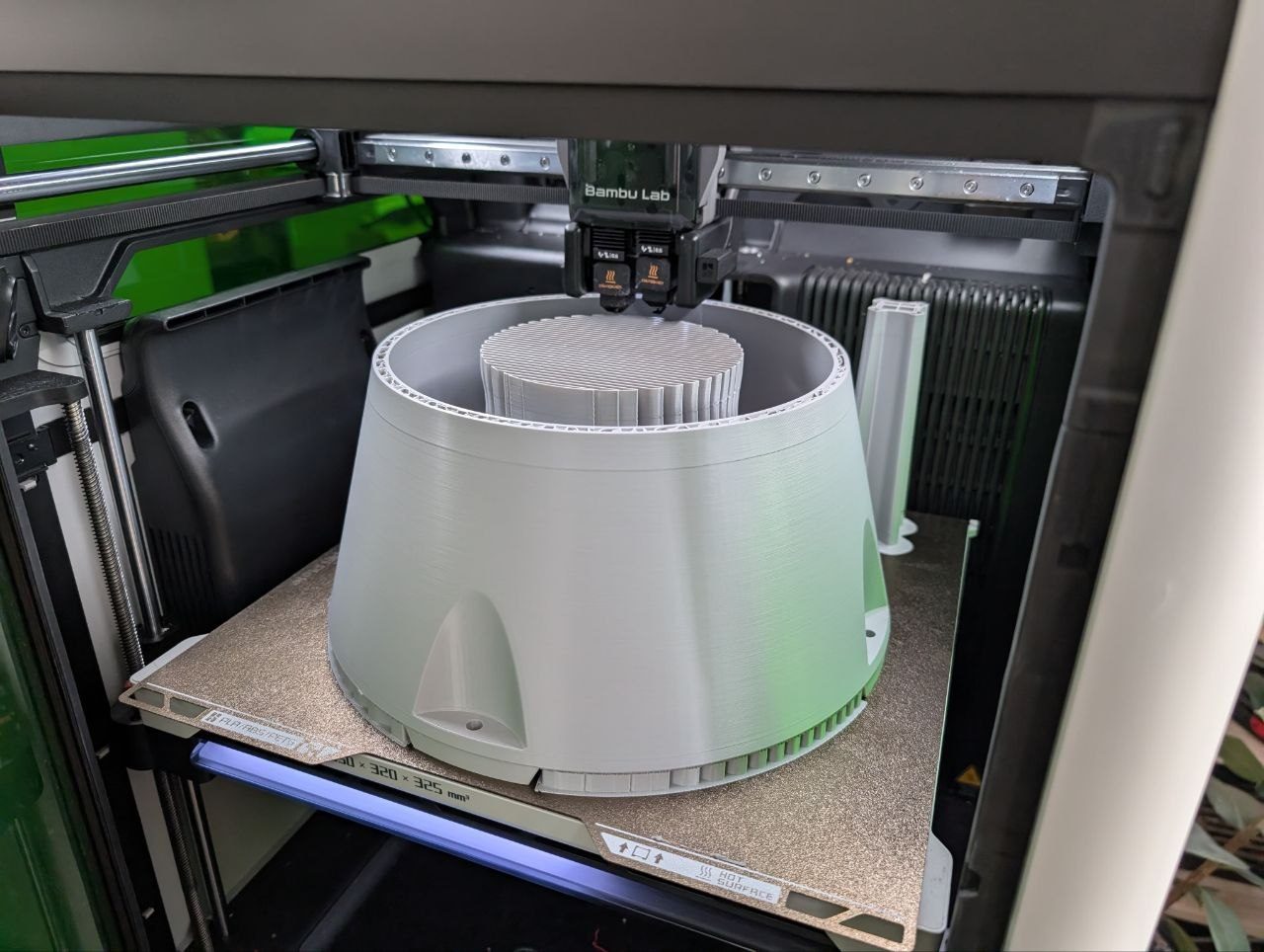
We build steering, actuation and control hardware ourselves and print the parts we cannot buy. It is slower than outsourcing and it means we understand every failure.

Steering actuators and motor controllers mounted on a steel test plate on a workbench
Steering and throttle actuation on the bench rig before installation.
A large cylindrical part being printed on a desktop 3D printer
In-house printing of fittings and housings; a 12 m printer is planned for BA-02 hull sections.
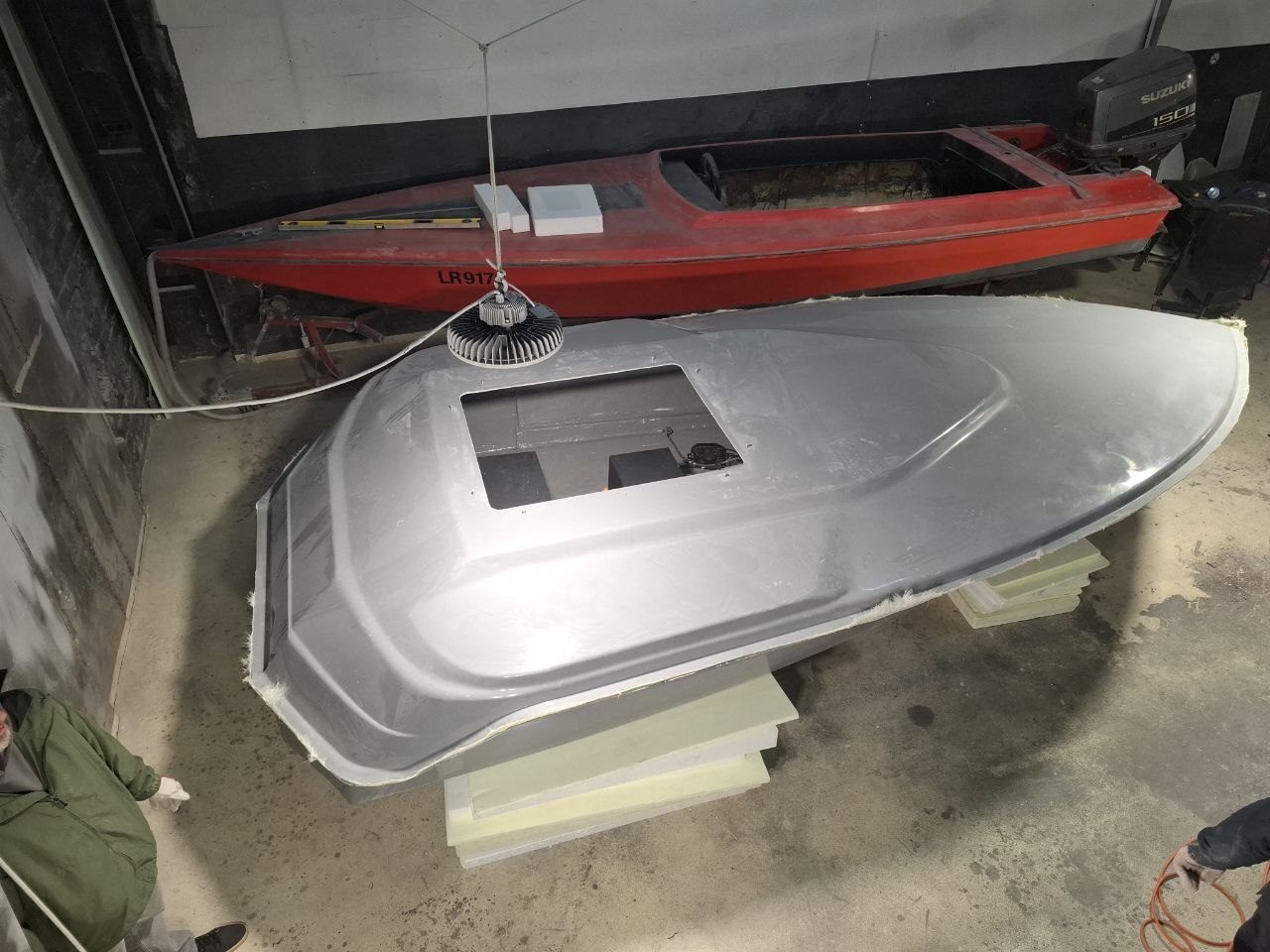
Two boat hulls in the workshop, a grey BA-01 hull on blocks in the foreground
Hulls on blocks between fit-out stages.

One hull, two kinds of customer.

The same platform that keeps people out of hazardous water for a port authority keeps them out of harm's way for a coast guard. We design for both from the start.

Civil and industrial

  • Hydrographic survey and mapping
  • Environmental and water-quality monitoring
  • Port and infrastructure inspection
  • Search-and-rescue support
  • Offshore and industrial site monitoring

Defence and security

  • Border and coastal surveillance
  • Maritime situational awareness
  • Critical infrastructure protection
  • Remote inspection and reconnaissance
  • Mission payload integration for government users

Talk to the people who built it.

For specifications, trial data, a demonstration on the water or a partnership discussion, write to us. Enquiries are handled by the engineering team and treated as confidential; NDAs are available on request.

info@badrones.com

Baltic Aquadrones, Latvia, European Union.

Prefer email? Write directly to info@badrones.com.